


Advertisement
6 Signs You Bought The Harsh Kind Of Clay
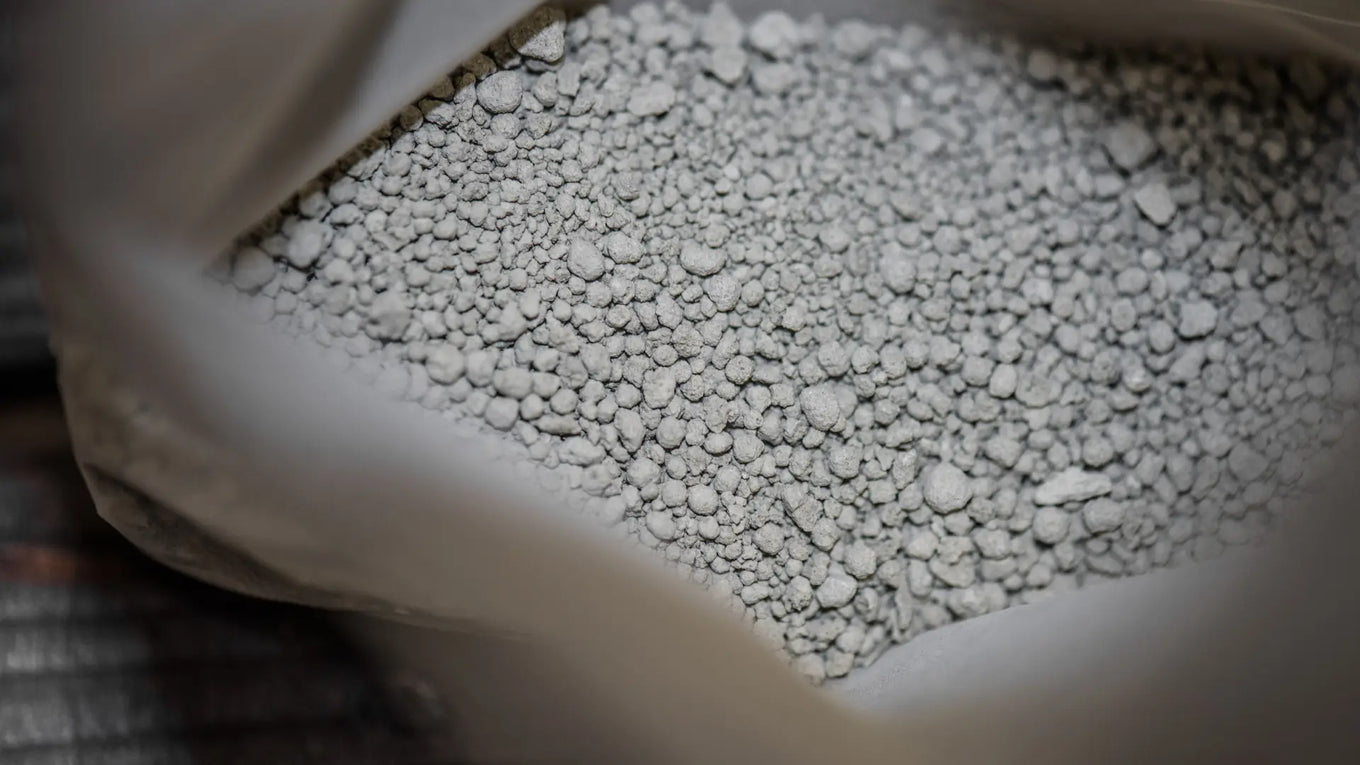
Summary: Somewhere along the way, people decided a clay mask is supposed to hurt a little — the tightness, the redness, the sink full of grit. It isn't. Most of that comes from two things: how coarsely the clay was ground, and instructions that never told you when to rinse. Here are six signs you've been compensating for the harsh kind.
1. You can't talk with your mask on
Coarse clay dries into a shell. Reviewers of best-selling clay masks describe being unable to talk, drink, or move their face until it comes off — and treat that as proof it's working.
It isn't. That rock-hard set is just coarse particles locking together as the water leaves. Finely milled clay applied in a light coat stays workable the whole time. You can hold a conversation. The mask still does its job.
“When doing a mask it goes on smooth and creamy, and leaves your skin glowing. The consistency is beautiful.”

2. There's apple cider vinegar in your bathroom
The vinegar trick exists for exactly one reason: coarse clay clumps in plain water. People pass the tip around like a survival skill, and put up with a mask that smells like salad dressing.
Fine-milled clay doesn't need the workaround. Mix 1 part clay to 3 parts water until smooth. Let stand 2–3 minutes to thicken, then apply a light coat. Adjust with more clay or water to your preference.
What you can put back in the kitchen
- Apple cider vinegar
- The dedicated whisk
- The clump-fishing spoon
- Just water, a bowl, and a non-metal spoon
3. There's a strainer in your drain because of a mask
Clay chunks in the plumbing are such a known problem that reviewers recommend mesh drain strainers and mixing over a plastic bowl in the sink. That's not a skincare routine. That's damage control.
At 325 mesh there are no chunks to catch. The paste mixes smooth, applies smooth, and rinses without leaving the sink looking like a job site.
“Super finely milled — smooth, not gritty. Mixes easily and feels consistent.”

4. Your mask has a recovery routine
Read enough reviews of coarse clay masks and a pattern shows up: keep a rich moisturizer ready, expect some color after rinsing, give your face twenty minutes. The mask gets a whole aftercare protocol.
Most of that aftermath comes from letting clay dry to completion — which the instructions rarely warn against. Ours do: apply a light coat and rinse before it fully dries, while the mask is still tacky. Moisturize after, like you would with any rinse-off.
“Love using the clay for facial masque. It doesn't dry my skin out yet cleans out the pores.”

5. You demoted it to once a month
"Too strong to use weekly" is a real sentence from a real review of a best-selling clay — written as a compliment. When a mask needs a month of recovery between uses, the mask is winning, not you.
A light coat of fine-milled clay, rinsed before it dries, is designed for once a week. Use it as often as your skin enjoys it.
The weekly rhythm
- Face mask — once a week, 5 to 10 minutes
- Underarm or body — one or two times a week
- Hair and scalp — every one to two weeks
- Adjust to what your skin prefers

6. Nobody ever told you when to rinse
The single most important instruction in clay masking is the one most bags leave off: don't let it dry all the way. Fully dry clay is what leaves skin feeling tight and stripped — and it's the stage most people were taught to wait for.
Our bag prints the timing. Five to ten minutes for a face mask, off before it fully dries. If it's flaking, you've gone past it.
The timing that matters
- Face mask — 5 to 10 minutes
- Hair and scalp — 10 to 15 minutes
- Bath soak — 15 to 20 minutes
- Always rinse before the clay fully dries
